
For passionate collectors, auction catalogues are far more than promotional booklets. They are historical records that preserve the details of exceptional rare books, artworks, manuscripts, antique maps, stamps, and collectibles that have appeared in prestigious sales over the years. Long after an auction ends, these catalogues continue to educate collectors, researchers, librarians, and historians by documenting provenance, condition reports, expert essays, and high-quality images.
Many collectors overlook auction catalogues when building a personal library, yet some of the most knowledgeable experts rely on them daily. They reveal market trends, highlight important collections, and often become the only surviving reference for items that disappear into private collections.
For members of the Delhi Book Club and anyone interested in rare books and art, owning carefully selected auction catalogues can be just as rewarding as owning the collectibles themselves. In this guide, we explore five remarkable auction catalogues worth adding to your shelves, and explain why these publications matter for every serious bibliophile.
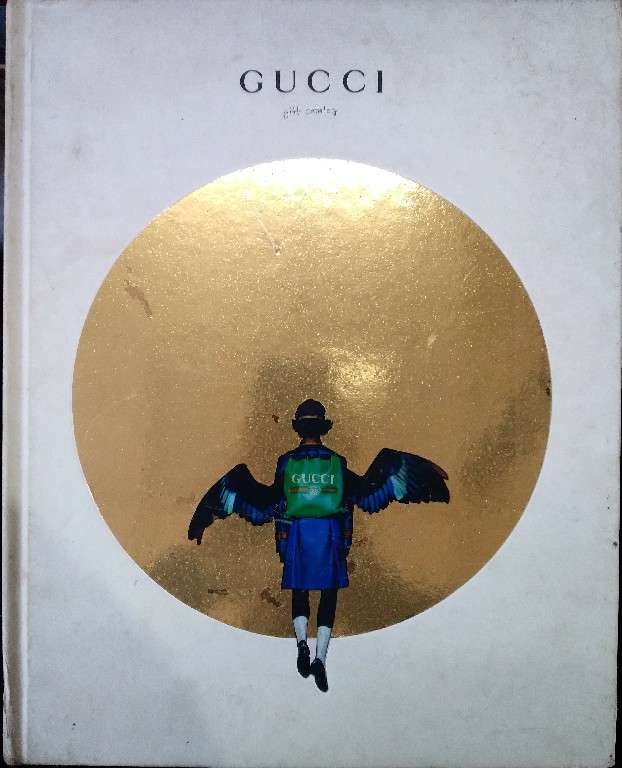
5 Auction Catalogues Every Collector Should Own
1. AstaGuru Online Auction: Modern Indian Art (August 26–27, 2010)
The 2010 Modern Indian Art auction catalogue from AstaGuru represents an important milestone in the documentation of Indian art. It features works by celebrated modern artists and provides detailed descriptions, provenance information, and professional photography that help readers understand both artistic significance and market value.
Beyond its role as an auction guide, the catalogue captures a particular moment in the growth of India’s art market. Collectors can compare early estimates with later sales and observe how appreciation for Modern Indian Art has evolved over time.
Researchers studying Indian artists also benefit from the scholarly notes included in many entries. These descriptions often contain exhibition histories and publication references that are difficult to find elsewhere. For anyone building a reference library on Indian art, this catalogue is an excellent starting point.
2. AstaGuru – The Traveller’s Collection: Rare Books, Maps & Stamps (February 27–28, 2020)
Collectors fascinated by exploration, geography, and history will appreciate The Traveller’s Collection. This catalogue brings together rare books, antique maps, travel literature, and philatelic treasures in one carefully curated publication.
The descriptions provide valuable context about historical significance, printing techniques, and rarity. Vintage maps included in the catalogue illustrate how regions were understood during different periods, while rare books reveal changing perspectives on trade, culture, and exploration. Stamp collectors also gain insight into postal history and design evolution through detailed listings.
Even readers who never intend to bid at auctions can enjoy this catalogue as a miniature museum in printed form, offering a fascinating journey through centuries of travel and discovery.
3. AstaGuru Modern Indian Art Auction Catalogues (Complete Series)
Rather than focusing on a single edition, many collectors seek multiple AstaGuru Modern Indian Art catalogues because together they create a chronological archive of India’s evolving art market.
Each catalogue documents new works entering public sales, records artist popularity, and reflects changing collector preferences. By comparing editions from different years, enthusiasts can trace market growth, discover newly attributed works, and identify emerging trends.
For students of art history, these catalogues provide visual references and expert commentary that supplement museum publications and exhibition books. They are especially useful for collectors considering future acquisitions, as they offer historical pricing patterns and examples of authenticated works. Over time, complete runs of auction catalogues themselves may become increasingly difficult to assemble, adding another dimension to their collectability.
4. Rare Books and Antique Maps Auction Catalogues
Auction catalogues dedicated to rare books and antique maps remain indispensable tools for bibliophiles. Unlike general reference books, these catalogues focus on specific copies that have appeared in the market. They often include detailed descriptions of bindings, editions, publication history, ownership marks, annotations, and condition.
Collectors can use them to identify true first editions, compare variants, and understand why certain copies command premium prices. For map enthusiasts, catalogues frequently explain cartographic significance, engraving methods, geographic inaccuracies, and historical context. Such information transforms maps from decorative objects into historical documents.
Researchers also rely on these publications to trace provenance and locate examples that may now reside in private collections. Owning several respected rare book auction catalogues creates a practical research library that supports informed collecting decisions.
5. Special Collection Auction Catalogues from Delhi Book Club
Delhi Book Club continues to celebrate the world of books and art by featuring carefully curated auction-related publications that appeal to collectors, scholars, and enthusiasts alike.
These special collection catalogues give readers the opportunity to explore rare books, artistic publications, and historically significant materials that reflect diverse collecting interests. For beginners, they offer an accessible introduction to the language and structure of auction listings. Experienced collectors, meanwhile, appreciate the chance to discover specialized material and expand their knowledge.
The curated approach makes these catalogues particularly valuable because they emphasize quality and educational value rather than simply listing objects for sale. As interest in rare books and collectible publications grows in India, such catalogues help preserve knowledge and encourage responsible collecting practices.
Why Auction Catalogues Matter
Many people assume auction catalogues lose their value once bidding concludes. In reality, the opposite is often true.
A well-produced catalogue preserves detailed information about objects that may never again appear in public view. It records expert descriptions, professional photographs, provenance research, and estimated values that become part of collecting history. Libraries and museums frequently maintain archives of auction catalogues because they help scholars identify artworks and books that have changed ownership. For collectors, these publications provide confidence when evaluating authenticity and rarity.
How Auction Catalogues Reveal Market Trends
Auction catalogues also reveal fascinating market trends. By comparing catalogues across several years, readers can observe which artists or authors have gained recognition, which genres have increased in value, and how collector preferences evolve over time.
For example, Modern Indian Art has experienced significant growth in international appreciation, and historical catalogues document this evolution through changing estimates and realized prices. Similarly, rare books that once attracted modest interest may later become highly sought-after as scholarship develops or surviving copies become scarcer. Understanding these trends helps collectors make informed purchasing decisions rather than relying solely on speculation.
The Educational Value of Auction Catalogues
For students and researchers, auction catalogues serve as educational resources filled with carefully prepared descriptions. Many entries explain publication history, artistic techniques, cultural significance, and provenance in concise but authoritative language.
The accompanying illustrations often reproduce works from multiple angles or in exceptional detail. As a result, catalogues become reference books that support academic research, exhibition planning, and private study. Collectors who regularly read auction catalogues naturally develop stronger skills in identifying quality, rarity, and authenticity.
When Catalogues Become Rare Collectibles
Interestingly, some auction catalogues become rare collectibles in their own right. Limited print runs, specialized subjects, and historical importance mean certain catalogues disappear quickly after publication. Years later, researchers searching for information may discover that obtaining the catalogue itself is surprisingly difficult.
Catalogues documenting landmark collections or historically important sales are particularly desirable. Complete sets covering multiple decades can also become valuable because they preserve continuous records of changing markets and collecting practices. For bibliophiles, these publications represent an affordable yet intellectually rewarding collecting field.
Tips for Preserving Your Auction Catalogues
To ensure your auction catalogues remain in excellent condition, follow these simple preservation tips:
- Store them upright on bookshelves with adequate support.
- Protect them from direct sunlight and excessive humidity.
- Keep them away from dust and moisture.
- Use archival-quality sleeves for particularly rare editions.
- Handle glossy pages carefully to avoid fingerprints and scratches.
- Record purchase details for future reference.
Well-preserved catalogues retain both research value and collector appeal for generations to come.
Final Thoughts
Auction catalogues are far more than temporary sales guides. They preserve history, document exceptional collections, and provide invaluable knowledge for collectors, scholars, librarians, and art enthusiasts.
Whether you explore the AstaGuru Modern Indian Art (2010) catalogue, the fascinating Traveller’s Collection – Rare Books, Maps & Stamps (2020), the broader series of Modern Indian Art Auction Catalogues, specialized Rare Books and Maps Auction Catalogues, or the thoughtfully curated Special Collection Auction Catalogues from Delhi Book Club, each publication offers unique insights into the world of collecting.
For members of Delhi Book Club, investing in these catalogues is not simply about acquiring books—it is about preserving cultural heritage, understanding the stories behind remarkable objects, and building a personal library that continues to educate and inspire. As every experienced collector knows, today’s auction catalogue can become tomorrow’s rare collectible, making these publications worthy additions to any serious bibliophile’s collection.
Frequently Asked Questions About Auction Catalogues
Are auction catalogues worth keeping after the sale?
Yes. Auction catalogues preserve expert descriptions, provenance research, professional photographs, and price estimates, making them lasting reference tools for collectors, researchers, and institutions long after bidding ends.
Can auction catalogues become collectible themselves?
Absolutely. Catalogues with limited print runs, specialized subjects, or documentation of landmark sales often become scarce and highly sought-after, especially as complete multi-year sets.
Where can I find rare auction catalogues in India?
Delhi Book Club offers a curated selection of rare books and auction-related publications for collectors, scholars, and enthusiasts across India.